Veterans Funeral and Burial Benefits Available in Union County, PA

Andre Roupp • April 13, 2026

Honoring those who served our country is one of the most meaningful traditions within our communities. Recently, our staff at Roupp Funeral Home had the privilege of assisting with a graveside service for an honorably discharged veteran. During the ceremony, local veterans from the American Legion and Veterans of Foreign Wars posts in Mifflinburg performed Military Honors, including the traditional flag folding, gun salute, and the playing of Taps.


These powerful moments serve as a reminder of the gratitude our nation holds for those who have served in the armed forces. Many families are unaware that there are also a number of local, county, and federal benefits available to veterans and their families at the time of passing. Understanding these benefits can help ease both the financial and logistical burden during a difficult time.

Below is a helpful overview of Union County and federal benefits available to honorably discharged veterans, along with how our funeral home assists families in accessing them.
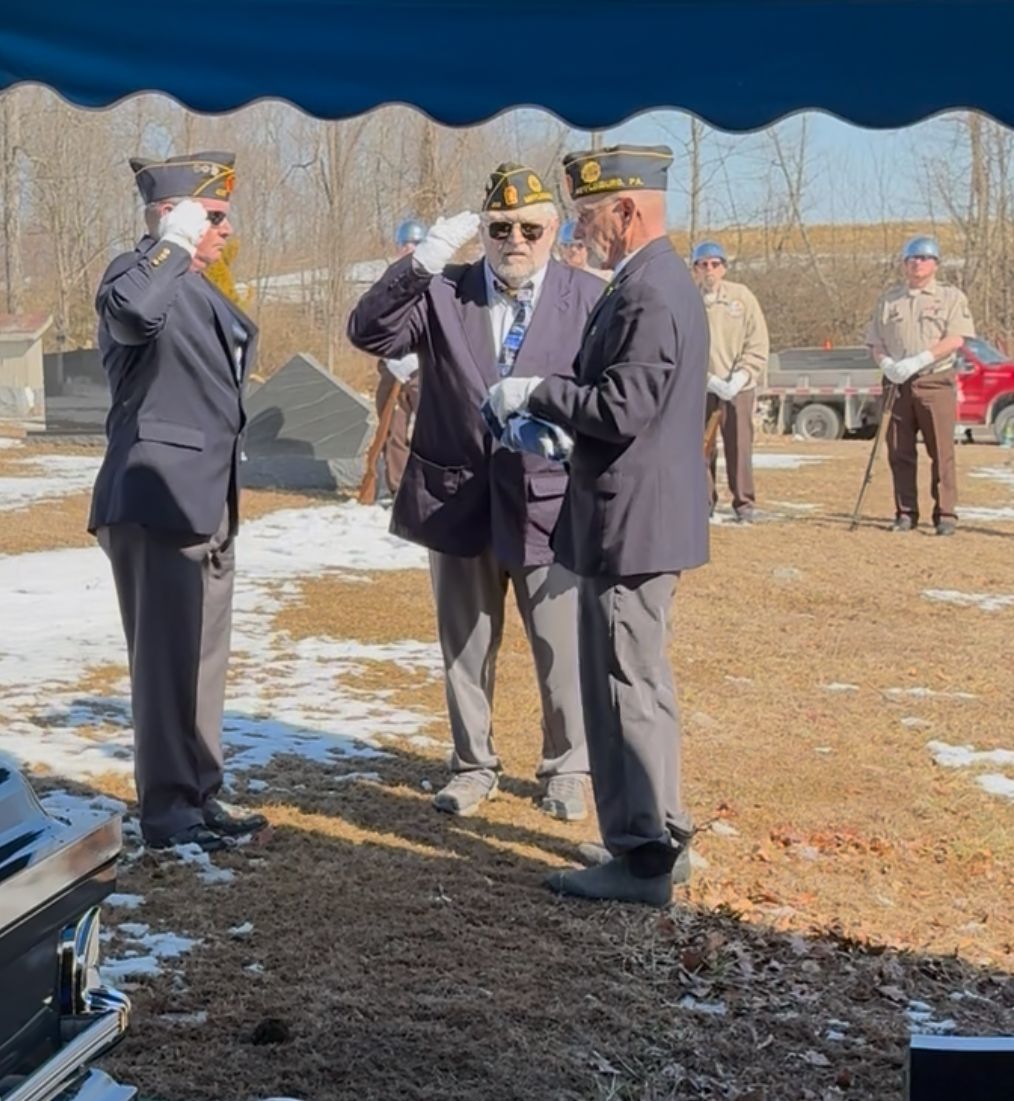
Military Honors: A Meaningful Tribute

One of the most moving ways to recognize a veteran’s service is through Military Honors. These ceremonies are typically conducted by local veterans organizations such as the American Legion and the Veterans of Foreign Wars.


Military Honors typically include:

  • The ceremonial folding of the American flag
  • A gun salute
  • The playing of Taps
  • Presentation of the folded flag to the family


These honors can be performed:

  • At a graveside burial service
  • At a memorial service held at a funeral home
  • At a church or other memorial location, especially if cremation has taken place and no burial occurs


At Roupp Funeral Home, we coordinate these honors with local veterans groups to ensure that every eligible veteran receives the tribute they deserve.


Union County Veterans Benefits

Union County offers several benefits to support families of honorably discharged veterans. These benefits are designed to help offset some funeral and memorial expenses while also recognizing the service of local veterans.Please note that county benefits are available for honorably discharged veterans who served during active wartime. National Guard and peacetime veterans are ineligible to receive these benefits. 


$100 Burial Benefit

Union County provides a $100 burial benefit that may be paid either:

  • Directly to the funeral home to assist with funeral or cremation costs, or
  • To the family to reimburse after funeral bill has been paid 


Additionally, the widow of an eligible veteran who meets the above requirements also qualifies for this benefit at the time of her passing, which can provide continued support for the veteran’s family.


$100 Headstone Benefit

Union County also provides a $100 headstone benefit to assist families with memorialization costs for eligible veterans. 


This benefit can be used toward:

  • Engraving an existing headstone, or
  • Purchasing a new headstone


Families who wish to purchase a headstone can do so directly through Roupp Funeral Home, and our staff can guide them through the design and ordering process.


Bronze Veteran Flag Holder and Gravesite Flag

Union County provides a bronze veteran flag holder and American flag for the gravesite.


One of the most meaningful aspects of this benefit is that the flag is replaced every year for Memorial Day, ensuring the veteran’s service continues to be recognized by the community for years to come.


If your loved one does not meet the requirements for active duty veterans, they are still eligible for a Peacetime Bronze Veteran Flag Holder and gravesite flag. 


Federal Veterans Benefits

In addition to county assistance, honorably discharged veterans may also qualify for several benefits provided by the United States Department of Veterans Affairs.


These federal benefits include:


The Burial Flag

Any honorably discharged veteran is eligible receive a United States burial flag, which is:

  • Draped over the casket during the funeral service, or
  • Placed alongside the urn if cremation is chosen.


Following the ceremony, the flag is carefully folded and presented to the veteran’s next of kin as a lasting symbol of gratitude for their service.


Burial in a National Cemetery

Veterans may also be eligible for burial in a national cemetery operated by the United States Department of Veterans Affairs.


This benefit typically includes:

  • A grave plot
  • Opening and closing of the grave
  • A government-issued headstone or marker
  • Perpetual care of the gravesite


This option allows families to place their loved one in a cemetery dedicated to honoring those who served our country.


Certified Copies of the Death Certificate

Another valuable federal benefit includes 10 free certified copies of the death certificate for:

  • The veteran
  • The spouse of a veteran


These certified copies are often needed for handling estate matters, insurance claims, and government benefits. Our staff assists families in completing the necessary paperwork to ensure these documents are obtained as smoothly as possible.


Additional Benefits May Be Available

Depending on several factors, additional benefits may be available to veterans and their families. These can vary based on:


  • Branch of military service
  • Length of active duty
  • Service-related disabilities
  • Wartime service


Because each veteran’s service history is unique, families are encouraged to consult with their local Veterans Affairs office for personalized guidance.


Union County Veterans Affairs Office

Families seeking more information about veterans benefits can contact the Union County Veterans Affairs Office:


Union County Veterans Affairs Office
155 N 15th St
Lewisburg, PA 17837
Phone: (570) 524-8676


Their staff can help determine eligibility for additional programs and assist with benefit applications.


Assistance with Unclaimed Veterans Remains

In some cases, veterans may pass away without family members available to claim their remains. Through coordination with local veterans organizations and county officials, efforts are made to ensure unclaimed veterans receive proper burial and military honors.

Community involvement and veteran organizations often play a key role in making sure that no veteran is forgotten.


How Roupp Funeral Home Assists Veterans’ Families

Navigating funeral arrangements while grieving can be overwhelming, especially when trying to understand available benefits. At Roupp Funeral Home, our staff is experienced in helping families access veterans' benefits and coordinating meaningful tributes.


We assist families with:

  • Verifying veteran eligibility
  • Coordinating military honors with local veteran organizations
  • Applying for county burial and headstone benefits
  • Securing burial flags and death certificates
  • Arranging a burial in national cemeteries
  • Ordering veteran headstones and markers

Our goal is to ensure that every veteran is honored with the dignity and recognition they deserve.


Honoring Those Who Served

Every veteran leaves behind a legacy of service and sacrifice. Military honors, veterans benefits, and community tributes are small but meaningful ways to express gratitude for that service.


If you have questions about veterans funeral benefits in Union County, or if your loved one served in the military, our team at Roupp Funeral Home is here to help guide you through the process with compassion and care.


For more information about veterans services or funeral planning, please feel free to contact our funeral home.

By Andre Roupp • October 12, 2026
Every October, Pregnancy & Infant Loss Awareness Month gives us an opportunity to recognize a type of grief that is incredibly profound, yet too often experienced quietly. For parents and families who have experienced miscarriage, stillbirth, or the death of an infant, there is no timeline for grief and no simple way to describe the loss. A life does not have to be long to be deeply loved, deeply missed, and forever remembered. At Roupp Funeral Home, we believe every life deserves to be honored with compassion and dignity. This month, we remember the little lives gone too soon and the families who continue to carry their love with them. Grief After the Loss of a Baby There is no "right" way to grieve the loss of a pregnancy or infant. One parent may want to talk about their baby frequently, while another may prefer privacy. Some families find comfort in photographs, keepsakes, memorial services, or traditions. Others may need time before deciding how they want to remember their child. Grief can also look different from day to day. Sadness, anger, guilt, numbness, loneliness, and even moments of happiness can all be part of the grieving process. Parents aren't the only ones affected, either. Siblings, grandparents, extended family members, and close friends can also experience profound grief after the loss of a baby. The most important thing to remember is that grief doesn't follow a schedule. How Can You Support Someone Who Has Lost a Baby? It is common to worry about saying the wrong thing and, as a result, say nothing at all. You don't need to have the perfect words. A simple, "I'm thinking of you," "I'm here for you," or "I'm so sorry" can be enough. When appropriate, using the baby's name can also be meaningful. Parents often fear that as time passes, other people will forget their child. Remembering birthdays, anniversaries, or other significant dates can remind a grieving family that their baby is remembered by others, too. Practical help can also make a difference. Consider bringing over a meal, helping with household chores, running an errand, or simply sitting with someone without expecting them to talk. Try to avoid phrases intended to find a positive side to the loss. Even when they come from a loving place, statements such as "everything happens for a reason" can unintentionally minimize someone's grief. Sometimes the greatest gift you can give is simply being willing to listen. Meaningful Ways to Remember a Baby Every family is different, and there is no one way to memorialize a baby. Some families may choose a funeral, burial, or intimate memorial service. Others find comfort in creating something they can keep with them or returning to a meaningful tradition each year. Families might choose to: Plant a tree or memorial garden in their baby's memory. Create a memory box with photographs, hospital bracelets, cards, blankets, or other keepsakes. Wear memorial jewelry or keep a personalized item close. Light a candle on birthdays, anniversaries, or October 15. Donate to a meaningful organization in their child's name. Write letters, poems, or journal entries to their baby. Incorporate special flowers, songs, readings, colors, or personal items into a memorial service. There doesn't need to be a grand gesture. What matters is finding something that feels meaningful to the family. Creating a Goodbye That Feels Personal Planning a funeral or memorial service for a baby is something no parent expects to face. During such an overwhelming time, even small decisions can feel incredibly difficult. A compassionate funeral director can help families understand their options without putting additional pressure on them. A service can be as traditional or as personal as a family wishes. Special blankets, photographs, flowers, meaningful music, readings, keepsakes, or other personal touches can all become part of remembering a child's life. Sometimes these details also give parents something tangible to hold onto afterward. At Roupp Funeral Home , our role is to listen first. We work alongside families to understand what they want, what they are comfortable with, and how we can help them create a meaningful goodbye for their child. You Don't Have to Grieve Alone Pregnancy and infant loss can sometimes feel invisible to the outside world, but the love a family has for their baby is anything but invisible. If someone you love has experienced this kind of loss, continue checking in, not only immediately afterward, but in the weeks and months that follow. ay their baby's name if they have shared it with you. Remember important dates. Give them permission to talk, cry, remember, or simply be quiet. And if you are a parent or family member grieving a baby, please know that seeking support is okay. Support groups, grief counselors, faith communities, trusted friends and family, and other bereaved parents can all provide different kinds of comfort. There is no deadline for grief, and there is no requirement to go through it alone. Remembering the Little Lives Gone Too Soon During Pregnancy & Infant Loss Awareness Month , we pause to remember every baby whose time here was far too short and every family whose lives were forever changed by their loss. Their lives mattered. Their stories matter. And they are remembered. 💜🕊️  If your family is navigating the loss of a baby and has questions about funeral, burial, cremation, or memorial options, the team at Roupp Funeral Home is here to listen and help you understand the choices available to you. Please contact us when you are ready.
By Andre Roupp • September 28, 2026
Losing someone you love can affect nearly every part of your life, including your sleep. You may find yourself lying awake thinking about your loved one, waking throughout the night or sleeping more than usual and still feeling exhausted. Once the distractions of the day are gone and the house becomes quiet, thoughts and memories can sometimes feel even stronger. Sleep won't take away grief, but getting proper rest can be an important part of taking care of yourself while you're going through it. Why Does Grief Affect Sleep? Grief isn't only emotional. It can affect you physically, too. The stress and emotions that come with a loss can make it difficult to settle down at night. Your normal routine may also have changed significantly. For someone who has lost a spouse, for example, bedtime itself can be a reminder of that loss. After years of sharing a room, talking before bed or waking up together, suddenly sleeping alone can be a difficult adjustment. Others may find that nighttime is simply when their mind becomes the busiest. You may replay memories, think about things you wish you had said or start worrying about everything that still needs to be handled. All of that can make restful sleep harder to come by. Why Rest Matters While You're Grieving When you're grieving, everyday tasks can require more energy than they normally would. You may feel tired, distracted or have difficulty concentrating. Getting enough rest gives your mind and body an opportunity to recover. While a good night's sleep won't make the sadness disappear, being better rested may make it easier to handle your emotions and the responsibilities of everyday life. This is also a time to give yourself some grace. There may be paperwork to complete, belongings to sort through, phone calls to make and people to check on. But everything doesn't have to happen at once. If you're tired, it's okay to rest. Simple Ways to Get Better Rest During Grief There's no perfect sleep routine that works for everyone, especially while grieving. A few simple habits, however, may make rest a little easier: Keep a routine when you can. Going to bed and waking up around the same time can help your body settle into a rhythm. Create a calming bedtime routine. Reading, taking a warm shower, listening to quiet music or doing another relaxing activity can help you wind down. Write down what's on your mind. If thoughts or responsibilities keep running through your head, keeping a notebook beside the bed may help you put them aside until morning. Accept help from others. If someone offers to bring dinner, run an errand or take something off your plate, let them. Having fewer responsibilities can give you more time to rest. Don't expect every night to be perfect. Some nights may be easier than others. Your sleep, just like your grief, may take time to adjust. Most importantly, listen to your body. Needing additional rest after a loss doesn't mean you're doing anything wrong. When Should You Ask for Help? Some changes in sleep can happen while you're grieving. However, if you're consistently unable to sleep, your lack of sleep is interfering with everyday life or you're struggling significantly with your emotional or physical health, consider talking with your doctor or another qualified healthcare professional. You don't have to navigate every part of grief by yourself. Take Things One Day at a Time At Roupp Funeral Home, we've had the privilege of walking alongside many families during some of life's most difficult moments. We've seen firsthand that grief looks different for everyone. There isn't a timeline you're supposed to follow or a certain day when everything suddenly feels normal again. Take things one day at a time. Accept help when it's offered. Give yourself permission to slow down. And when your body tells you it needs rest, listen. Sleep won't erase the sadness of losing someone you love. But taking care of yourself physically can give you a little more strength for the days ahead.
By Andre Roupp • September 14, 2026
When a Veteran passes away, families often have questions about the benefits and services that may be available to them. There may be questions about burial in a national cemetery, military funeral honors, burial allowances, a burial flag, a government-furnished headstone or marker, or other ways to honor a loved one's military service. At a time when families are already dealing with a loss, trying to figure out where to find this information can feel overwhelming. The U.S. Department of Veterans Affairs has recently updated its online burial and memorial resources, making it easier for Veterans and their families to find information about these benefits in one place. At Roupp Funeral Home, we want to help make that information easier to understand, too. What Burial Benefits May Be Available to a Veteran? Depending on their service and individual circumstances, a Veteran may be eligible for a variety of burial and memorial benefits. These can include: Burial in a VA national cemetery Burial allowances to help with certain funeral and burial expenses A government-furnished headstone or marker A medallion for a privately purchased headstone A United States burial flag Military funeral honors A Presidential Memorial Certificate Transportation benefits in certain circumstances Burial or memorial benefits for eligible spouses and dependents Eligibility varies depending on the Veteran's service history, discharge status, when and where they served, and other circumstances. It is always a good idea to check the current requirements rather than assume that a particular benefit automatically applies. Burial in a VA National Cemetery One of the benefits many Veteran families ask about is burial in a VA national cemetery. Eligible Veterans may be buried in a VA national cemetery at no cost to the family for the gravesite, opening and closing of the grave, and perpetual care. Certain spouses and dependents may also be eligible. Families can also plan ahead. Veterans can apply for a VA pre-need eligibility determination, which allows the VA to determine eligibility for burial in a national cemetery before the need arises. Planning ahead can give families peace of mind and make some of the decisions easier when the time comes. Military Funeral Honors Military service is an important part of a Veteran's story, and many families want to include military funeral honors as part of the funeral or committal service. Eligible Veterans may receive military funeral honors, which can include the playing of Taps, the folding and presentation of the American flag, and other elements depending on the circumstances. These honors can be a meaningful way for a family to recognize and remember their loved one's service to our country. Burial Flags and Memorial Items The VA also provides several items that can help families honor a Veteran. Eligible Veterans may receive a United States flag for a funeral or memorial service. Families may also be eligible for a government-furnished headstone or marker, a medallion, or a Presidential Memorial Certificate. For families who have lost someone who served, these small but meaningful details can become an important part of remembering their loved one's life and service. Burial Allowances and Other Financial Assistance Some families may also qualify for VA burial benefits that can help with funeral and burial expenses. The VA offers different types of burial allowances, and eligibility depends on several factors. There may also be benefits related to transportation or burial in certain circumstances. Because these benefits and eligibility requirements can change, families should review the current VA requirements when making arrangements. Support for Families After a Loss The VA's resources go beyond funeral and cemetery benefits. Veterans' families may also find information about bereavement counseling, obtaining military records, replacing medals and awards, and other resources that can be helpful after a loss. Grief does not end when the funeral is over. Knowing where to turn for additional support can make a difference as families adjust to life without someone they love. Planning Ahead Can Make a Difference If you are a Veteran, talking with your family about your wishes before they are needed can make things easier for everyone. You can learn about your eligibility for VA burial benefits, consider whether burial in a national cemetery is something you would like, and make your wishes known to your family. Pre-planning also gives your family an opportunity to ask questions and understand what will need to happen when the time comes. How Roupp Funeral Home Can Help Understanding Veterans' benefits is one part of making funeral arrangements. There are also decisions about the type of service, cemetery, visitation, cremation or burial, military honors, and the many personal details that make a funeral meaningful. At Roupp Funeral Home, we are honored to serve Veterans and their families. We understand how important it can be to recognize a person's military service while also creating a funeral or memorial service that reflects who they were as a person. If you are making arrangements for a Veteran and aren't sure where to begin, we're here to help you understand your options. We can help you navigate the funeral planning process and answer questions about the Veterans' benefits that may apply to your family. A Helpful Resource for Veterans' Families  The U.S. Department of Veterans Affairs maintains the most current information about eligibility, applications, forms, and Veterans' burial benefits. For official information, visit the VA's Burials and Memorials resource.
By Andre Roupp • September 7, 2026
When people think about planning a funeral, environmental impact may not be the first thing that comes to mind. But for many families, living in a way that is mindful of the environment is important and they want their final arrangements to reflect those same values. We hear questions like: Is cremation more environmentally friendly than burial? What exactly is a green burial? Is there such a thing as an eco-friendly funeral? Are there newer options that are better for the environment? The honest answer is that there isn't one simple answer. When we talk about environmentally friendly funerals, there are many factors to consider. The type of disposition is one of them, but so are embalming, the materials used, transportation, the cemetery, the container or casket, and even how a family chooses to gather and memorialize their loved one. At Roupp Funeral Home, we believe families deserve straightforward information so they can make the choice that feels right for them. Let's take a closer look at some of the options. What Makes a Funeral Environmentally Friendly? Before comparing burial and cremation, it helps to define what we mean by "environmentally friendly." A green or environmentally conscious funeral generally focuses on reducing the use of natural resources, minimizing waste, avoiding unnecessary chemicals and choosing materials and practices that have a smaller environmental impact. That can mean something different to every family. For one person, an environmentally friendly funeral might mean a natural burial in a conservation cemetery. For another, it might mean cremation and choosing an urn made from biodegradable materials. Someone else may simply want to reduce the amount of unnecessary materials used during the funeral. There are many shades of green. The National Funeral Directors Association notes that green funerals can incorporate a range of choices, including alternatives to traditional embalming, biodegradable burial containers, sustainable products, local flowers, natural burial and other environmentally conscious practices. In other words, you don't have to choose one specific type of funeral to make environmentally conscious decisions. Green Burial: A Natural Return to the Earth When most people hear the phrase "green burial," they picture someone being returned directly to the earth in a natural setting. That's essentially the idea. A traditional green or natural burial generally avoids embalming and uses a biodegradable casket, shroud or other natural container. The body is placed directly into the earth without the concrete burial vaults commonly used in conventional cemeteries. The goal is to allow the body to decompose naturally and return to the earth. Some green burial grounds also use natural landscaping practices and minimize traditional lawn maintenance. Instead of a large conventional headstone, families may choose a simple natural marker, such as a flat stone, or in some settings, a tree or plant may serve as a memorial. Green burial can be an especially meaningful choice for someone who feels a strong connection to nature. It can also provide a very tangible sense of returning to the earth. Is green burial the most environmentally friendly option? It can be one of the most environmentally conscious choices available, but even green burial isn't completely without environmental impact. The environmental footprint depends on the specific cemetery, transportation, materials used and practices involved. A natural burial that avoids embalming, concrete vaults and non-biodegradable materials will generally have a very different environmental impact than a conventional burial involving embalming, a metal casket and a concrete vault. That's why it's important to look at the whole picture , rather than simply labeling one option "green" and another "not green." What About Cremation? Cremation has become a very common choice for families, and it is sometimes described as a more environmentally friendly alternative to traditional burial. There are some reasons for that. Cremation does not require a permanent burial plot, which can reduce the amount of land needed for disposition. Families can also choose simple, biodegradable or reusable memorial products, and cremated remains do not necessarily need to be buried in a cemetery. However, cremation also requires energy and produces emissions. The cremation chamber operates at very high temperatures and generally relies on fossil fuels. Because of this, the NFDA does not consider conventional flame cremation to be a "green" disposition method, although it may use fewer physical resources and less land than some forms of conventional burial. So is cremation environmentally friendly? It can be a lower-resource option in some respects, but it isn't impact-free. That's an important distinction. What Is Water Cremation? You may have also heard about alkaline hydrolysis , sometimes called water cremation or aquamation. Instead of using a flame, alkaline hydrolysis uses water, an alkaline solution, heat and pressure to accelerate the natural breakdown of the body. The remaining bone material is processed into a powder similar to cremated remains. One of the reasons this method receives attention from environmentally conscious consumers is that it uses less energy and produces fewer greenhouse gas emissions than flame-based cremation. It is important to note, however, that availability and legality vary by state. Because these newer disposition methods are still developing, families should talk with a funeral professional about what is legally available in their area and what providers are actually offering. What About Human Composting? Another emerging option is Natural Organic Reduction (NOR) , commonly referred to as human composting. The basic concept is exactly what it sounds like: the body is placed in a controlled environment with organic materials, such as wood chips and straw, where natural microbial activity breaks down the remains and ultimately produces soil. The process generally takes several weeks. Human composting is gaining attention from people who want their final disposition to have a direct connection to the natural environment. According to the NFDA, NOR is currently legal in a limited number of states, with laws continuing to evolve. As with water cremation, availability is an important consideration. Just because a disposition method exists does not mean it is available everywhere. What About Embalming? Embalming is another factor families sometimes consider when thinking about environmental impact. Traditional embalming uses preservation chemicals, including formaldehyde-based fluids. Green burial practices generally avoid embalming and instead use refrigeration or other appropriate methods for temporary preservation when needed. It's also worth remembering that embalming is not automatically required for every funeral or burial. Whether embalming makes sense depends on the family's plans, whether there will be a public viewing, timing and other circumstances. This is one area where talking with a funeral director can be particularly helpful. We can explain what is necessary, what is optional and what alternatives may be available. So Which Option Is the Most Environmentally Friendly? This is where the answer gets a little more complicated. There isn't a single disposition method that can automatically be called the most environmentally friendly in every situation. That's because environmental impact isn't determined by one factor. Consider everything involved: How much energy does the process require? Does the process produce emissions? Are embalming chemicals used? What materials are used for the casket, container or urn? Does the burial require a concrete vault? How much land is required? How far does the body or cremated remains need to be transported? What kind of cemetery or burial ground is being used? What happens to the property over time? Are products biodegradable, recyclable or reusable? Once you start looking at all of those factors together, the answer becomes much more nuanced. For example, a conventional burial and a natural burial may both be classified simply as "burial," but their environmental footprints can be quite different. Likewise, two cremations can have different overall impacts depending on the products chosen, transportation involved and what the family ultimately does with the cremated remains. An Environmentally Conscious Funeral Doesn't Have to Be All or Nothing This is something we think is particularly important for families to understand. You don't have to choose between a completely traditional funeral and an entirely "green" funeral. There are many small decisions families can make. For example, you might choose: A biodegradable urn. If cremation is the right choice for your family, there are urns made from natural and biodegradable materials. Fewer materials. A simpler service can mean fewer products and resources are required. Natural flowers. Choosing locally grown flowers or reducing the amount of floral material can be another consideration. A natural burial. If your cemetery offers a green burial option, you may be able to avoid embalming, traditional caskets and burial vaults. A meaningful gathering without excess. A funeral or memorial service doesn't have to be elaborate to be meaningful. Sometimes the simplest gatherings are the ones families remember most. Thoughtful transportation. Transportation is another part of the overall environmental picture that is easy to overlook. There is no requirement that an environmentally conscious funeral look a certain way. How Roupp Funeral Home Can Help If you're considering an environmentally friendly funeral or simply want to understand your options, you don't have to figure everything out on your own. At Roupp Funeral Home, we're here to answer your questions without judgment and without telling you that there is one "right" way to say goodbye. We can help you understand the different options available, what is required, what is optional and what choices may allow you to reduce the environmental impact of the arrangements. Sometimes the best place to start is simply with a conversation. If environmental responsibility is important to you or your family, let us know. We'd be happy to talk through the possibilities with you. After all, planning a funeral isn't just about deciding what happens at the end of someone's life. It's about finding a way to honor who they were, what they valued and what they leave behind. And for some people, leaving the world a little greener is part of that legacy.
By Andre Roupp • August 17, 2026
When we think about end-of-life care, we often think about doctors, hospice, and funeral homes. But there is another type of support that more families are discovering: death doulas. Much like a birth doula supports families through the experience of welcoming a new life, a death doula helps individuals and families navigate the end-of-life journey. At Roupp Funeral Home, we know that saying goodbye is about much more than making arrangements after someone passes. There can be weeks, months, or even years of decisions, conversations, emotions, and uncertainty leading up to that moment. Having the right people around you can make that journey feel a little less overwhelming. What Does a Death Doula Do? A death doula provides non-medical emotional, practical, and planning support to individuals and families before, during, and after a death. Their role can look different for every family, depending on what they need. A death doula may help with: Having difficult conversations about end-of-life wishes Advance care and legacy planning Creating a peaceful environment for the dying person Helping family members understand what to expect Planning vigils and meaningful end-of-life rituals Providing a calm, supportive presence at the bedside Helping families communicate when emotions are running high Supporting caregivers who may feel exhausted or overwhelmed Helping with after-death rituals and legacy projects Providing grief support and connecting families with community resources Perhaps most importantly, a death doula gives families time and space to talk, ask questions, process their emotions, and make thoughtful decisions. When Should You Consider Hiring a Death Doula? There isn't one particular moment when a family should reach out. In fact, the earlier a death doula becomes involved, the more opportunities there are to have meaningful conversations before a crisis occurs. For someone living with a serious illness, a death doula can help facilitate conversations about their wishes and what matters most to them. Families can talk about the kind of care they want, the environment they'd like to create, personal rituals, legacy projects, and other important decisions. During the dying process, a doula can provide education, companionship, and a calm presence for both the individual and their loved ones. And after a death, they can continue supporting the family as they navigate grief, rituals, and the many practical and emotional pieces that follow. How Is a Death Doula Different From a Funeral Director? This is an important distinction. A death doula does not replace a funeral director, hospice provider, doctor, therapist, attorney, or other professional. Instead, a death doula can complement the care families are already receiving. At Roupp Funeral Home, our role begins with helping families understand their options and making arrangements that honor their loved one's life and wishes. A death doula may be able to support a family before that point, helping them have conversations and prepare for what lies ahead. Think of it as adding another caring person to your family's support system, not replacing anyone already there. What About Hospice? Death doulas and hospice also serve different roles. Hospice provides medical and clinical care focused on comfort and quality of life during the end of life. A death doula provides non-medical support, companionship, education, and guidance. For some families, having both can create a broader circle of support. Why Might a Family Want This Kind of Support? Sometimes, the hardest part of end-of-life care isn't knowing what needs to happen. It's simply trying to navigate everything while you're scared, tired, grieving, or unsure of what comes next. A death doula can provide a neutral, compassionate presence during those moments. They can help families slow down, talk through their wishes, understand what they're experiencing, and feel less alone. And that can be incredibly valuable. Finding the Right Death Doula If you think a death doula could be helpful for you or someone you love, start by asking questions. Look for someone whose approach feels comfortable and respectful to your family. Ask about their training, experience, services, availability, and fees. Death doulas work independently, so services and pricing can vary. Most importantly, find someone who will listen to your wishes and support your family without judgment. We're Here to Help You Navigate the Journey At Roupp Funeral Home, we believe families deserve compassionate guidance throughout the entire end-of-life journey, not just when it's time to make arrangements. Whether you're beginning to think about your own wishes, caring for an aging parent, supporting someone with a serious illness, or facing the loss of someone you love, you don't have to figure everything out alone. There are people and resources available to help. And if you aren't sure where to begin, we're always happy to help point you toward resources and professionals who may be able to support you and your family. Because preparing for the end of life isn't about giving up hope.  It's about making sure the people you love know what matters to you and giving everyone a little more peace when the time comes.
By Andre Roupp • August 3, 2026
Planning ahead is one of the greatest gifts you can give your family. While many people prepare wills, estate plans, and other important financial documents, funeral planning is often overlooked. Taking time to make these decisions in advance can provide peace of mind for you while easing emotional and financial burdens for the people you love. At Roupp Funeral Home, we are committed to helping families make informed decisions about planning ahead. We offer trusted funeral prefunding solutions, including programs endorsed by the Pennsylvania Funeral Directors Association (PFDA), that allow individuals and families to prepare for future funeral expenses with confidence. Whether you prefer the security of a Burial CD through a participating bank or the flexibility of the PFDA SecurChoice program, our staff is here to help you understand your options. If you want to learn more about pre-planning, click here. What Is Funeral Prefunding? Funeral prefunding allows you to set aside money today to cover future funeral expenses. Rather than leaving loved ones to make financial decisions during a difficult time, you can create a plan that reflects your wishes and provides financial security. Many people choose to prefund because it offers confidence that arrangements have been considered in advance. It also gives families one less thing to worry about during an already emotional time. Why More Families Are Choosing to Plan Ahead There are many reasons why individuals and couples decide to prearrange and prefund their funerals. One of the biggest advantages is reducing stress for surviving family members. During a time of grief, loved ones often face dozens of important decisions within just a few days. Having funeral arrangements already planned and funded allows them to focus on supporting one another instead of worrying about finances. Prefunding can also encourage thoughtful decision making. Rather than making choices under emotional pressure, you have the opportunity to carefully consider the type of service you would like and discuss your wishes with your family. Many people also appreciate knowing that funds have been designated specifically for funeral expenses, helping to avoid placing an unexpected financial burden on those they leave behind. Trusted Prefunding Options Choosing to prefund your funeral is a personal decision, and there is no one-size fits all solution. Roupp Funeral Home works with trusted prefunding programs that give families options based on their financial goals and planning preferences. Our staff can explain each program, answer your questions, and help you determine which option best meets your needs. Burial CDs Through Participating Banks A Burial CD is a certificate of deposit established through a participating financial institution specifically for funeral funding. Similar to a traditional bank CD, your funds earn interest while remaining designated for future funeral expenses. Many families appreciate this option because it offers the familiarity and stability of a bank account while allowing them to plan ahead for funeral costs. The value of the account includes both your original deposit and any earned interest, according to the terms of the certificate. PFDA Secure Choice PFDA SecurChoice is a funeral trust program endorsed by the Pennsylvania Funeral Directors Association. It provides another trusted option for setting aside funds to help cover future funeral expenses. SecurChoice is designed specifically for funeral preplanning and allows individuals to establish funding that reflects their wishes and long term planning goals. During your planning appointment, our staff can explain how the program works, discuss its benefits, flexible payment options and help you determine whether it is the right choice for your situation. Choosing the Right Prefunding Option Every family has different financial goals, which is why it is important to understand your available options before making a decision. Some individuals prefer the simplicity and familiarity of a Burial CD through a participating bank. Others choose PFDA SecurChoice because it is specifically designed for funeral preplanning. Both options can help provide financial preparation while allowing you to document your funeral wishes in advance. The best way to determine which option is right for you is to meet with one of our funeral planning professionals. We will answer your questions, explain each program in detail, and help you make an informed decision without pressure. Is Funeral Prefunding Only for Older Adults? Not at all. Many people begin planning years or even decades before they expect to need funeral services. Adults of all ages choose to prearrange because life is unpredictable, and planning ahead allows them to document their wishes while reducing uncertainty for their families. Whether you are preparing your own arrangements or helping aging parents explore their options, beginning the conversation early often leads to greater peace of mind for everyone involved. Frequently Asked Questions About Funeral Prefunding Can I change my funeral plans later? In many cases, funeral arrangements can be updated if your wishes change. Our team can explain what adjustments may be possible based on your selected funding option. Do I have to pay the entire amount at once? Depending on the program you choose, there may be different funding methods available. During your consultation, we can discuss the options that best fit your financial circumstances. Is my money protected? Both Burial CDs and PFDA Secure Choice are established through trusted programs designed specifically for funeral prefunding. Your funeral director can explain the details of each option and answer questions about how the funds are handled. Why should I prearrange now? Planning ahead allows you to make thoughtful decisions on your own timeline. It also helps ensure your family understands your wishes while reducing financial uncertainty during a difficult time. Let Roupp Funeral Home Help You Plan Ahead Planning ahead is one of the most caring decisions you can make for your loved ones. By documenting your wishes and selecting a trusted prefunding option, you can help reduce uncertainty and financial stress for your family in the future.  If you would like to learn more about funeral preplanning, Burial CDs, or the PFDA SecurChoice program, our caring staff at Roupp Funeral Home is here to help. We invite you to contact us to schedule a confidential planning appointment. Together, we can help you create a plan that reflects your wishes and provides peace of mind for you and your family. For additional information about funeral preplanning and consumer resources, visit the Pennsylvania Funeral Directors Association at https://www.pfda.org/ .
By Andre Roupp • July 20, 2026
When people think about a funeral director, they often picture someone helping families plan meaningful services, offering comfort during difficult moments, and ensuring every detail is handled with care. What many don't see is the family standing quietly behind that funeral director…the spouse who understands interrupted dinners, the children who know Dad or Mom may have to leave at a moment's notice, and the loved ones who share in the unique lifestyle that comes with serving a community. Being a funeral director isn't simply a career. It's a calling. And like many callings centered around caring for others, it requires sacrifices that extend far beyond normal business hours. At Roupp Funeral Home, we know firsthand that serving families means our own families often make sacrifices, too. Their support allows us to be there whenever our community needs us, whether that's in the middle of the afternoon, late at night, on weekends, or during holidays. We wanted to share this information with you today so you can take a behind the scenes look of what it means to be a funeral director. The Reality of Being On Call Unlike many professions, grief doesn't follow a schedule. A phone call can come during a birthday party, while watching a child's sporting event, on Christmas morning, or just as everyone sits down for dinner. When a family loses someone they love, they need compassionate guidance immediately. For funeral directors, responding isn't simply part of the job, it's part of honoring the trust families place in them during one of life's most difficult moments. That means plans sometimes change unexpectedly. Family vacations may require careful planning around coverage. Weekend outings may be interrupted. Holiday celebrations occasionally pause while arrangements are made for someone experiencing a sudden loss. While these moments aren't always easy, they are part of the commitment to serving others with dignity and compassion. Behind Every Funeral Director Is a Supportive Family Many people never realize how much a funeral director's family contributes to the profession. Spouses often become experts at flexibility. Children learn early that helping others is an important part of their parent's work. Extended family members frequently step in to adjust schedules or celebrate milestones a little differently. Rather than seeing these interruptions as inconveniences, many funeral service families view them as opportunities to support meaningful work that positively impacts their community. It becomes a shared mission. The understanding, patience, and encouragement provided at home make it possible for funeral directors to fully focus on the families they are serving. Finding Balance Isn't Always Perfect Work-life balance looks different in funeral service than it does in many other professions. There are seasons that are busier than others. Unexpected calls can't always wait until tomorrow. Some weeks bring several services, while others are quieter. Instead of striving for perfect balance every day, many funeral directors learn to focus on being intentional with the time they do have at home. Children Growing Up in Funeral Service Families Children of funeral directors often develop unique perspectives from an early age. They witness compassion in action. They learn that kindness matters. They see people helping neighbors during their hardest days. Many also gain an appreciation for life itself. Growing up around conversations about remembrance, legacy, and honoring loved ones can encourage gratitude and empathy that lasts a lifetime. While they understand that work may occasionally interrupt plans, they also understand why their parent answers the phone when someone calls in need. Why Funeral Directors Continue to Answer the Call People sometimes ask why someone would choose a profession with such demanding hours. The answer is simple. Helping families navigate loss is deeply meaningful. Funeral directors have the privilege of honoring lives, preserving memories, and guiding people through moments they'll never forget. Few professions allow someone to make such a lasting impact during such an important time. The long hours and unpredictable schedule are balanced by the knowledge that compassionate care truly makes a difference. Gratitude for the Families Behind the Profession At Roupp Funeral Home, we believe our own families deserve recognition, too. Their encouragement, patience, and understanding make it possible for us to serve our neighbors with compassion every day. When we answer the phone late at night or leave unexpectedly to care for a family, we know our loved ones understand why. They remind us that service isn't just something we provide, it's something we live. We're grateful for their unwavering support, and we're equally grateful for the trust families place in us during life's most difficult moments. Serving Families Like They're Part of Our Own Every family deserves compassionate care, personalized guidance, and someone who is willing to walk beside them during difficult times. At Roupp Funeral Home, serving our community has never been about business hours. It's about being present when people need us most. Whether we're helping plan a traditional funeral, a memorial service, cremation, or simply answering questions after a loss, we're honored to be there. And behind every member of our team is a family whose love and support help make that possible.
By Andre Roupp • July 6, 2026
When a loved one passes away far from home, families are often faced with unexpected questions: What happens next? How do we bring them home? What are our options? At Roupp Funeral Home, we help families navigate these difficult situations with care, clarity, and compassion. If a death occurs out of state, there are several options for bringing someone back to their home state for services or final arrangements. Below is a guide to help you understand how out-of-state death arrangements work, including transportation options, embalming requirements, and the importance of travel protection planning. Who Handles the First Steps When Death Happens Out of State? When someone passes away in another state, the local funeral home in that area must be the first to respond . That funeral home is responsible for: Transporting the deceased from the place of death Filing the initial death certificate Providing refrigeration or embalming (if needed for transport) Preparing the body for either transportation or cremation Once those initial steps are complete, arrangements can be made to bring your loved one home. Option 1: Transportation by Funeral Vehicle (Hearse or Transfer Vehicle) One option is ground transportation back to your home state. This involves: A licensed funeral home transport vehicle (not a personal vehicle) Transfer from the out-of-state funeral home to your chosen funeral home (such as Roupp Funeral Home) Mileage-based pricing, typically charged one way, per mile What families should know: This option is typically used for closer distances It may take longer depending on travel time Costs vary depending on distance and fuel rates The body is typically placed in a secure transport container approved for travel Option 2: Air Transport (Airline Shipping of Human Remains) For longer distances, air transportation is often used. This process requires: Embalming (in most cases, required for commercial air travel) A specialized shipping container , often called an air tray or combination unit Coordination with both the sending and receiving funeral homes Transportation through approved airline cargo services Important details: Not all airports or airlines handle human remains This option is often faster than ground transport for long distances Costs include preparation, shipping container, airline fees, and funeral home coordination Option 3: Cremation in Another State and Shipping Cremated Remains In some cases, families may choose cremation to simplify transportation. This involves: Cremation performed by the out-of-state funeral home or crematory Placement of remains in a secure cremation container or urn Shipment of cremated remains via approved postal services (such as USPS Priority Mail Express with tracking and signature requirements) Why families choose this option: Typically more affordable than embalming and transport Faster return home in many cases Fewer logistical requirements for long-distance transport Why Embalming May Be Required for Transport Embalming is not always legally required for funeral services, but it is often necessary for: Airline transportation Extended travel times Interstate transfer regulations Public viewing or visitation prior to burial The local funeral home will advise whether embalming is required based on distance and chosen method of transport. Understanding the Cost of Out-of-State Transportation Costs vary depending on: Distance (mileage for ground transport) Airline shipping fees Preparation and embalming services Shipping container requirements Coordination between funeral homes Because each situation is different, the total cost can vary significantly depending on location and timing. The Importance of Travel Protection and Pre-Planning One of the most overlooked parts of end-of-life planning is travel protection. If someone passes away far from home unexpectedly, families may face thousands of dollars in transportation costs. That’s why many families choose to plan ahead. Funeral Directors Life Travel Insurance Option Through Funeral Directors Life , families can add travel protection coverage as part of a pre-funded funeral plan. This can help cover transportation costs if a death occurs more than a certain distance from home. Benefits may include: Reduced financial burden on family members Coverage for transportation back home Peace of mind during unexpected situations Easier coordination between funeral homes We Are Here to Help At Roupp Funeral Home, we understand that losing a loved one is never easy, especially when it happens far from home. Our team is here to coordinate with out-of-state funeral homes, explain your options clearly, and ensure your loved one is brought home with dignity and care.  If you have questions about out-of-state arrangements or would like to learn more about pre-planning and travel protection, we are here to help guide you every step of the way.
By Andre Roupp • June 22, 2026
Have you ever wondered how a wooden casket is made? Recently, our staff had the opportunity to tour the facility where all of our wooden caskets are crafted. Matthews Aurora Funeral Solutions operates its hardwood casket manufacturing plant in York, Pennsylvania, and this is where every wooden casket they sell throughout the country is produced.
By Andre Roupp • June 8, 2026
When people hear the term "estate planning," many immediately think of large estates, investment portfolios, and wealthy families. The truth is much different. Estate planning is not about how much money you have. It is about protecting the people you love and ensuring your wishes are honored when the time comes. At Roupp Funeral Home, we have seen firsthand how proper planning can provide comfort, clarity, and peace of mind for families during some of life's most difficult moments. Whether you own a home, have children, run a small business, or simply want a say in your future healthcare decisions, estate planning is an important step that can benefit you and your loved ones. What Is Estate Planning? Estate planning is the process of organizing your affairs and documenting your wishes for the future. It involves creating legal documents that outline how your assets should be distributed, who should make decisions on your behalf if you become incapacitated, and how your loved ones should be cared for after your passing. An estate plan may include: A Last Will and Testament Trust documents Power of Attorney Healthcare directives or living wills Beneficiary designations Funeral and final wishes instructions These documents work together to help ensure your wishes are followed and can reduce stress for your family during an already emotional time. Why Estate Planning Matters Many people postpone estate planning because they believe they have plenty of time or think they do not own enough assets to justify creating a plan. Unfortunately, unexpected events can happen at any age. Without an estate plan, important decisions may be left to state laws and court processes. This can create confusion, delays, and even disagreements among family members. Creating an estate plan allows you to maintain control over important decisions, including: Who receives your assets Who cares for your children Who manages your finances if you cannot Who makes healthcare decisions on your behalf How your final wishes are carried out Planning ahead is one of the greatest gifts you can leave your family. Estate Planning for Parents For parents with minor children, estate planning is especially important. A will allows you to name a guardian for your children should something happen to you. Without this designation, the court may ultimately decide who will care for them. Parents often spend years making decisions to protect and provide for their children. Estate planning helps ensure that protection continues even if the unexpected occurs. Homeowners Should Have an Estate Plan For many families, their home is their largest financial asset. An estate plan can help ensure your property is transferred according to your wishes and may help your loved ones avoid unnecessary legal complications. It can also help preserve the value of your estate and make the process of settling affairs more manageable for surviving family members. Whether you own a modest home or multiple properties, having a clear plan can make a significant difference. Estate Planning for Blended Families Blended families often have unique considerations when it comes to inheritance and asset distribution. Without proper planning, misunderstandings and disputes can arise among spouses, children, and extended family members. An estate plan allows you to clearly communicate your intentions and ensure that everyone you wish to provide for is included. By documenting your wishes, you can help preserve family harmony and reduce the potential for future conflict. Single Adults Need Estate Plans Too Estate planning is not just for married couples or parents. Single adults can greatly benefit from having key legal documents in place. If you become unable to make decisions for yourself due to illness or injury, a power of attorney and healthcare directive can designate someone you trust to act on your behalf. Without these documents, important decisions may be delayed or handled by individuals who may not fully understand your wishes. Protecting Family Heirlooms and Personal Treasures Not every valuable asset has a large price tag. Family photographs, jewelry, military memorabilia, antiques, and cherished keepsakes often carry significant sentimental value. Unfortunately, these items can sometimes become a source of disagreement among family members after a loss. Estate planning allows you to clearly state who should receive these treasured possessions, helping avoid confusion and ensuring meaningful items remain with the people you choose. Roupp Funeral Home Can Help! Estate planning and funeral planning often go hand in hand. While estate planning focuses on legal and financial matters, funeral planning allows you to document your personal preferences for your final arrangements. Together, these plans can provide your family with guidance and confidence during a difficult time. Preplanning your funeral can help your loved ones understand your wishes regarding services, burial or cremation options, memorialization, and other important decisions. It can also reduce the emotional burden placed on family members who may otherwise be forced to make these choices during a time of grief. At Roupp Funeral Home, we encourage families to consider both estate planning and funeral preplanning as part of a comprehensive approach to preparing for the future.  If you have questions about funeral preplanning or would like to learn more about how advance planning can benefit your family, we invite you to contact our team. Together, we can help you create a plan that reflects your values, honors your wishes, and provides peace of mind for those you love.